
Personal Finance Tips for Managing a Variable Income in 2026
Freelancers, commission-based sellers, and gig workers all share one money problem: income that swings from month to month. Without a system, a great month gets spent as fast as it arrives, and a slow month turns into a scramble. The right personal finance tips can turn that unpredictability into something you actually plan around instead of fear. This guide covers the budgeting method, the recurring-cost strategy, and the tools that make variable income manageable in 2026.
Why Variable Income Breaks Traditional Budgeting
Most budgeting advice assumes one thing: a steady paycheck landing on the same date every month. Variable earners do not get that luxury. One month might bring in double the “normal” amount, and the next might fall short of covering rent. Traditional percentage-based budgets (50% needs, 30% wants, 20% savings) simply do not translate well when the base number itself keeps changing.
That mismatch is exactly why so many freelancers feel like they are bad with money, when really they are just using a system built for someone else’s income pattern.
There is a second problem hiding underneath the first one: irregular earners often make real financial decisions — signing a lease, taking on a loan, planning a big purchase — based on their best month rather than their typical month. That single habit, more than any lack of discipline, is usually what turns a good year into a stressful one. Shifting the mental anchor from “what did I earn last month” to “what can I reliably count on over a rolling quarter” changes almost every decision that follows.
Personal Finance Tips Built Specifically for Irregular Earners
These habits work regardless of how unpredictable your income is:
- Pay yourself a fixed “salary” from a buffer account, even if real income varies week to week.
- Build a baseline budget around your lowest realistic month, not your average month.
- Keep a minimum of three months of essential expenses in a separate, easy-access buffer.
- Set aside tax savings the moment income lands — do not wait until the end of the quarter.
- Review recurring fixed costs (subscriptions, utilities, insurance) every quarter, since they do not flex with your income the way variable spending does.
- Automate transfers into savings the day a payment clears, before it has a chance to disappear into daily spending.
Fixed Costs vs. Flexible Spending: Where to Cut First
When a lean month hits, knowing which costs can actually flex — and which cannot — saves a lot of panic.
| Expense Type | Example | How Fast It Can Flex | Action in a Lean Month |
|---|---|---|---|
| Fixed, essential | Rent, loan payments | Slow (weeks to change) | Protect this first, always |
| Fixed, reducible | Electricity bill | Medium (1-2 billing cycles) | Cut consumption or switch to a cheaper tariff/net metering plan |
| Variable, essential | Groceries, fuel | Fast (days) | Trim immediately in a lean month |
| Variable, discretionary | Dining out, subscriptions | Instant | Pause first, restore when income recovers |
Cutting a Fixed Cost That Actually Stays Cut: Your Electricity Bill
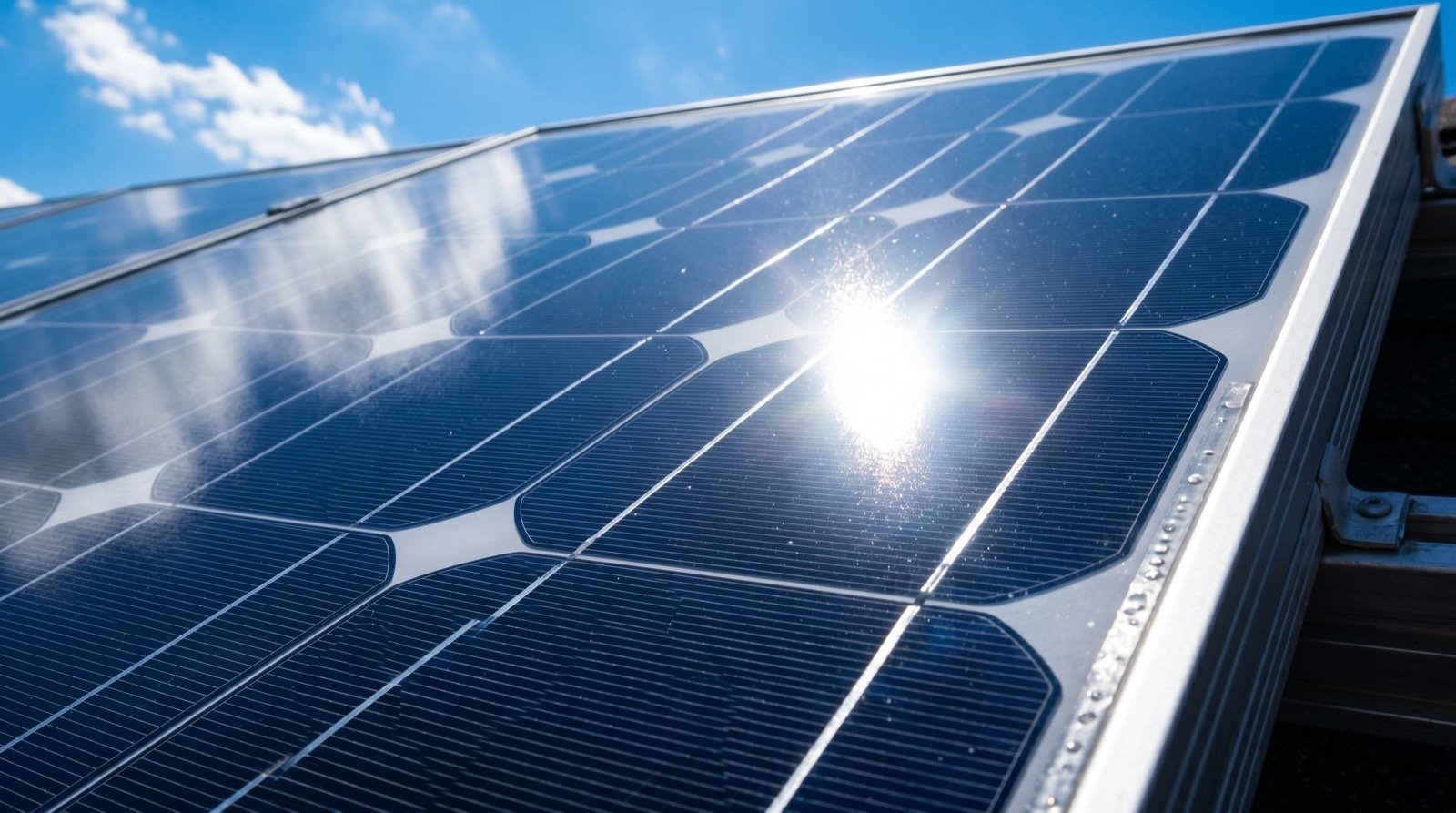
Of all the fixed costs on that list, electricity is one of the few that can be permanently reduced rather than just temporarily paused. Homeowners who switch to a reputable service experts-guided net metering setup can turn a volatile monthly bill into a far smaller, more predictable line item — which matters enormously when the rest of your income is already unpredictable. Lowering one major fixed cost permanently gives every future lean month more breathing room.
The Best Money Apps for Tracking an Irregular Income
Spreadsheets work for some people, but most variable earners do better with the best money apps built around rolling averages rather than fixed monthly totals. Look for an app that can show your trailing 3-month average income, flag months that fall below your baseline, and automatically split incoming payments into tax, savings, and spending buckets.
The right app will not make your income steady, but it will make the swings visible early enough to adjust before a shortfall becomes an emergency.
Many of these apps now also let you tag income by client or platform, which is useful for spotting which revenue streams are actually reliable and which ones only look good in a single strong month. Over a year, that kind of tagging often reveals that 70-80% of stable income comes from a small core of repeat clients or channels — valuable information when deciding where to invest more of your time.
How Much Should a Variable Earner Keep in Reserve?
Financial planners generally recommend three to six months of essential expenses for anyone with irregular income, compared with three to four months for salaried employees. If your income swings by more than 40% month to month, lean toward the higher end of that range. Treat this buffer as untouchable except for genuine income gaps — not for planned purchases.
It also helps to rebuild the buffer in order of priority after a lean month drains it. Replace the essential-expense portion first, then the tax reserve, and only then resume contributions toward longer-term goals like retirement or a home deposit. Trying to rebuild everything at once during a recovering income period is one of the fastest ways to end up right back where you started a few months later.
Frequently Asked Questions
How do I budget when my income changes every month?
Build your budget around your lowest realistic month, not your average. Pay yourself a fixed amount from a buffer account and let any surplus above that baseline roll into savings or tax reserves.
What percentage of income should freelancers save?
A common target is 20-30% split between taxes, an emergency buffer, and retirement savings, though exact percentages should flex based on how volatile your specific income actually is.
Can lowering utility bills really make a difference on a tight budget?
Yes. Unlike discretionary spending, a permanently lower electricity bill reduces your baseline monthly obligation every single month going forward, which is especially valuable for anyone whose income is not guaranteed.
Is a separate bank account necessary for variable income earners?
It is strongly recommended. Separating income collection, tax savings, and personal spending into different accounts prevents the common mistake of accidentally spending money that was already earmarked for taxes or bills.
Final Thoughts
Variable income does not have to mean constant financial stress. With a baseline-first budget, a reserve sized to your real volatility, and a permanent cut to at least one major fixed cost like electricity, irregular earners can build the same stability salaried workers often take for granted. Pair these personal finance tips with consistent tracking, and 2026 can be the year your income finally feels manageable instead of unpredictable. The Consumer Financial Protection Bureau notes that building even a modest cash buffer dramatically reduces the odds of high-interest borrowing during income gaps — a lesson that matters most for exactly this kind of earner.