YouTube Downloader Guide: Save Media in 2026
Creators, teachers, and researchers all hit the same wall: they find the perfect clip online and have no reliable way to keep it offline. A YouTube downloader closes that gap, letting you save a video or its audio in a few clicks so you can study it, remix permitted material, or watch it without a connection. In 2026, browser-based downloaders are cleaner and faster than the sketchy desktop apps of years past, but using them responsibly still matters.
This guide takes a creator’s angle. It covers how a YouTube downloader works, the formats worth choosing, the legal lines to respect, and how to combine downloads with an audio joiner to build polished projects.
How a YouTube Downloader Works in Plain English
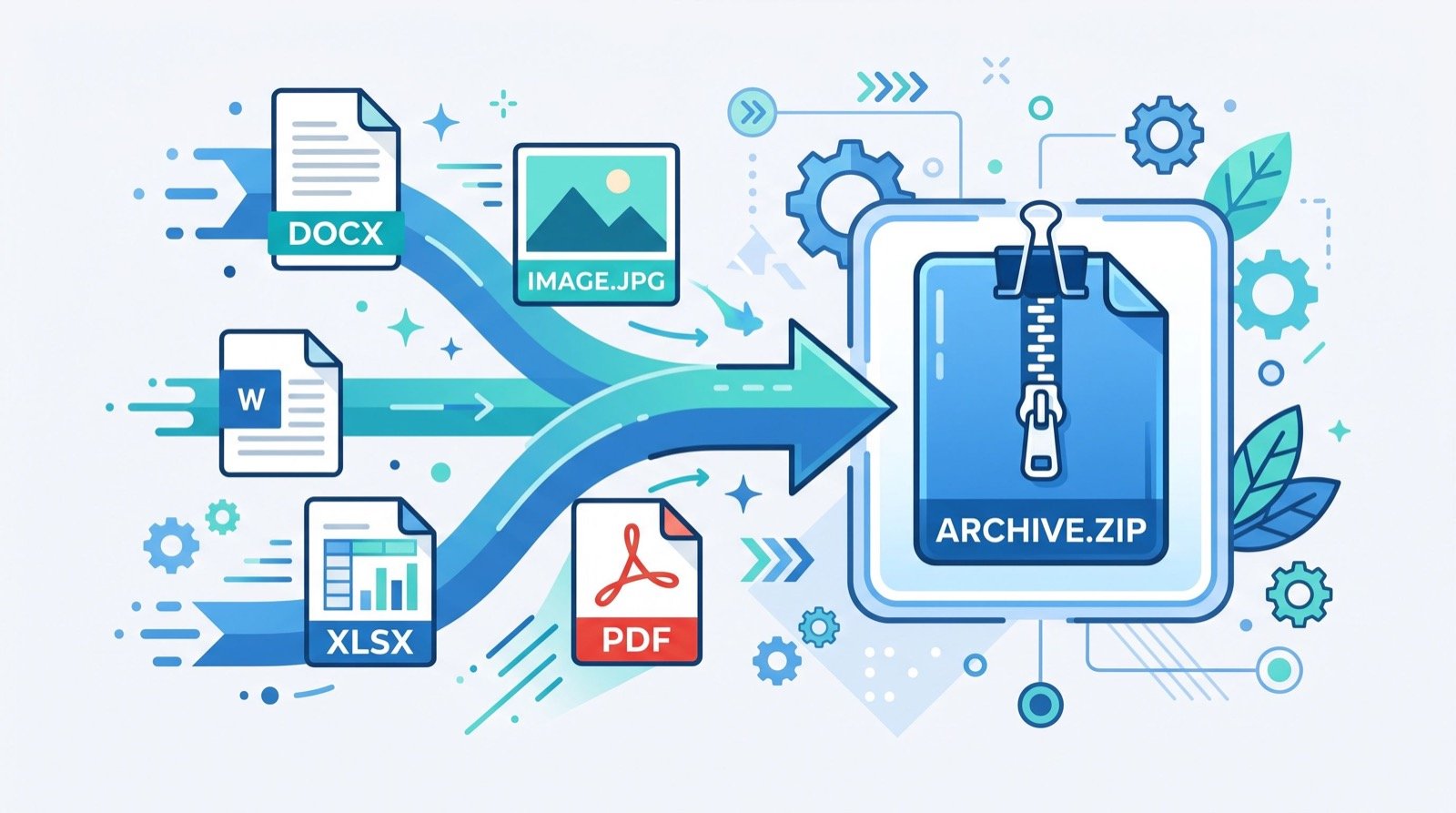
When you paste a video link, the tool reads the available media streams and offers them to you as downloadable files. You pick a resolution or an audio-only option, and the file saves straight to your device.
Modern web downloaders do this entirely in the browser flow, so there is nothing to install and no bundled software sneaking onto your machine. That alone makes them far safer than the dubious installers that once dominated this space.
- Paste a link and choose video or audio-only output.
- Select resolution, from compact 480p up to crisp 1080p or higher.
- Save for offline viewing, archiving, or permitted editing.
- Skip installs entirely with a browser-based tool.
Choosing the Right Format and Quality
Format choice depends on your goal. For a lecture you only want to hear, grab an MP3 and save storage. For a highlight reel you plan to edit, keep a high-resolution MP4 so the footage stays sharp.
Bigger is not always better. A 4K file is huge and pointless if your final project is a phone-first social clip. Match the resolution to where the content will actually play.
| Use Case | Best Format | Suggested Quality |
|---|---|---|
| Offline lecture audio | MP3 | 128–192 kbps |
| Social media clip | MP4 | 720p–1080p |
| Archive or editing | MP4 | 1080p or higher |
| Slow connection | MP4 | 480p |
A practical tip from editing experience: download one notch above your final export resolution. That headroom protects quality when you crop, zoom, or re-encode.
Is It Legal to Use a YouTube Downloader?
This is the question that stops most people, and it deserves a careful answer. Downloading content you own, content released under open licenses, or material you have explicit permission to reuse is generally fine. Downloading copyrighted work to redistribute is not.
Many creators publish under flexible terms. You can learn how reuse permissions work through Creative Commons licensing, and you can check the basics of ownership and fair use through the official guidance at the U.S. Copyright Office. When in doubt, use clips you have rights to, credit the source, and keep downloads for personal study.
Respecting a platform’s terms of service matters too. The safe path is simple: download for offline personal use, education, or genuinely licensed material, and never pass off someone else’s work as your own.
From Clips to Finished Audio: Adding a Joiner
Downloading is only step one. Podcasters and video editors often need to stitch several pieces together, and that is where an audio joiner online becomes the natural next tool. Merge an intro, a main segment, and an outro into one seamless track without opening heavy editing software.
The workflow is quick: download the audio you are permitted to use, trim each file, then join them in order. Within minutes you have a continuous track ready for a podcast feed or a video background.
- Download the permitted audio in a consistent format.
- Trim silence and dead air from the start and end.
- Arrange the segments in the order you want.
- Join them into one file and export for publishing.
Building a Safe, Efficient Download Habit
Reliability separates a good tool from a frustrating one. Pick a downloader that shows clear format options, avoids pop-ups over the controls, and completes without demanding an install. Test it on a short public clip before trusting it with a bigger project.
Speed depends partly on your connection, so download large files on stable Wi-Fi rather than mobile data. Keep a tidy folder structure, labeled by project, so you can find source clips when deadlines hit.
For teams rolling out media or communications gear across an office, a smooth content pipeline pairs with smooth infrastructure. Consulting dependable specialists helps ensure your recording, calling, and publishing setup all work together without friction.
Common Mistakes to Avoid
- Grabbing 4K files for clips that end up on a phone screen.
- Ignoring licensing and reusing protected work publicly.
- Using shady installers instead of a clean browser tool.
- Forgetting to label downloads, then losing source files.
Organizing a Media Library That Scales
Downloading a few clips is easy; managing hundreds is where creators struggle. A disciplined library saves hours when a deadline hits and you need a specific segment fast.
Start with a predictable folder structure: one parent folder per project, with subfolders for raw downloads, trimmed clips, and final exports. Name files with the date and a short description instead of the random strings most downloads produce.
Keep a simple text log of each clip’s source and license status. When you reuse material months later, that note tells you instantly whether a piece is cleared for public use or restricted to private study. This habit has saved more than one creator from an avoidable takedown.
- One folder per project, with raw, trimmed, and final subfolders.
- Rename files with dates and clear descriptions on download.
- Log the source and license of every clip you keep.
With audio especially, consistent naming pays off when you load segments into a joiner. You can line up intro, body, and outro by filename alone and merge them without second-guessing the order.
Frequently Asked Questions
Is a YouTube downloader safe to use?
A reputable browser-based downloader is safe because it requires no installation and adds nothing to your device. Avoid tools that push desktop installers or demand permissions, since those are the ones historically linked to unwanted software.
Can I download only the audio from a video?
Yes. Most downloaders offer an audio-only option, usually MP3, which is ideal for lectures, interviews, and music you are licensed to use. It also saves significant storage compared with full video.
What is the best quality to download for editing?
Choose at least 1080p for editing projects, and ideally one notch above your final export resolution. That extra detail survives cropping, zooming, and re-encoding far better than a lower-quality source.
Do I need software to join downloaded audio clips?
No. An online audio joiner merges multiple files in your browser, so you can combine an intro, main segment, and outro without installing a full audio editor.
Final Thoughts
A YouTube downloader is a genuinely useful tool when used with care: it powers offline learning, archiving, and licensed creative work in 2026. Choose a clean browser-based option, match format and quality to your real needs, and respect the licensing rules that keep creators fairly credited. Add an audio joiner to the mix, and you have a lean media toolkit that turns scattered clips into finished, shareable projects.